Friday, April 22, 2011

Tempura Thursday

Yeah, we know Tempura Tuesday would sound better, but that's not how it went down. When we do tempura, we go all out. No use in stinking up the kitchen and making a mess with the oil if you're not going to get serious about it.


We've been calling the green leaves "sesame leaves", but some searching makes it sound like they're perilla or shiso in Japanese. Basically, it's Japanese basil. It seems like whenever we get tempura at restaurants this is always one of the bits you get.

We laugh now at our horrible attempts at tempura before we came to Japan. We're no experts now but we know enough to use ice water when making the batter and not make it too thick. We're not making onion rings - although, in a sense, we are, aren't we? Yummy!


We're obsessed with this tempura paper that we buy at the dollar store which soaks up the oil. Also at Daiso we buy oil filter papers so we can clean and reuse our oil. Brilliant.

The sauce we make is just a basic tempura sauce, but it tastes like Japan to us now. I think it's this recipe. Japanese sauces are really sweet. We use a vegetarian dashi stock bouillon cube we get at the organic store the next town over.

We're always kind of subconsciously hoarding ingredients that people have brought or sent us or that we've bought in a big city. But now that we're leaving much earlier than we thought we're pushed to try to use these things up over the next few weeks. I have an almost full bottle of blackstrap molasses, so in that vein, I made ginger snaps and these gingerbread scones (with carob chips and orange flavored cranberries (thanks Gina!).


Sunday, April 17, 2011

Homecation

Due to a confluence of circumstances (none related to radiation) we will be leaving Japan at the end of May and moving back to our home town. We were expecting to stay another year but things changed quickly and we had to roll with it. Now that the decision is made and tickets purchased we're excited to enjoy our last 5 weeks in Japan seeing, doing, buying and eating things we haven't gotten to yet. Mostly though we're excited that we'll be home this summer. After being here for 16 months going home seems like a vacation - homecation?!

We want to thank our family and friends back home for not forgetting about us. Check out the wall o' love now! We can't wait to hug you all soon.


It's getting warmer and we're almost ready to put the kerosene heaters away. Also, the cherry blossoms are starting to bloom. John got a few shots last weekend in Matsumoto.


If you or anyone you know wants to apply for our jobs this is our company's website:
http://web.me.com/go_global_with_atoz/atozALT/Welcome.html
They're a great, small company. Our jobs are easy and close by (John recently changed jobs) and our 2 storey house is gorgeous, frankly. We're hoping they find some cool people to replace us to hang out with our awesome friends here.

Wednesday, April 13, 2011

Flat Maya

We have the cutest, coolest and smartest niece and nephews ever. There, we've said it. We miss them bunches, especially when we skype them and they ask us awesome questions and sing us songs and make faces in the webcam and show us stuff they've made. We want to hug 'em not skype 'em!

This post is about our one and only niece Maya. She's in 2nd grade. Her class did a cool project where they read a book called Flat Stanley (where Stanley gets flattened and starts mailing himself places in an envelope) and made their own flat selves to send places. It's part of the Official Flat Stanley Project - basically it's like the traveling gnome thing but with a literacy component. Maya made a full size cut out of herself and sent it to us in Japan. We showed her around our town and wrote up a little report on it.

First we took her to the little fox shrine. Awkward smile alert!


We stopped by one of the big shrines. It was windy and it was hard to get Flat Maya to stand still for a photo.


Of course we had to show her the Buddha.


There were some women visiting from Tokyo at the Buddha who were courageous enough to ask us about Flat Maya. We explained the best we could. Then one woman said she'd once known a foreigner named Kyle and was John's name Kyle? Yes, all of us white foreigners may look the same to you, but no - we don't all have the same name.

We sent the pictures and the Flat Maya back so they can put them on the map at school with all the other flats. What a fun geography project!

Attention Twins fans: We're sorry Nishioka broke his leg already. Don't forget about him yet though - he'll be back better than ever. We promise! One of our adult students tells us that the field is harder in the US than he's used to. They play on softer dirt over here. That explains it right?

Tuesday, April 12, 2011

Teaching Special Needs Class

I don't know if this is common in Japan or what, but they let me teach the kids with special needs. I get to create the curriculum, plan the classes, teach them (a Japanese teacher is there to help) and make the tests. They don't especially care what I teach them but we still have to test them - that's Japan for you. I teach them twice a week and most other students only have me once a week. Also, I cleaned with them every day last year. We're pretty tight.

I can hardly express how much I enjoy these kids. Last year there were 5 and this year there are only 4, but they're the same kids. The girl in particular is such a sweetie. When I first met her she was so terribly shy. She would hardly look through her thick glasses to glance up at me. It took her ages to even repeat an English word. How she has bloomed! She shouts out answers with the boys, runs around looking for hidden flashcards and otherwise participates just as enthusiastically. When I say hi to her in the halls she smiles a big goofy smile back at me (almost as goofy as mine) and says hi back.

They don't tell me what makes the kids "special" and I clearly have no training in this sort of thing, which is pretty messed up actually. Luckily, they're all really bright and high functioning. We just focus more on speaking and listening than reading and writing.

The special needs kids have it pretty good. They get to go on special field trips, plant stuff in the garden, bake treats they sell to us teachers and do other fun projects the other kids don't get to do. They all know each other really well and it's nice they get their own supportive group to be in. It's interesting to see how different cultures deal with differences.

There are a few kids who probably should be in the special needs class who are integrated instead because their parents want them to be. Then, last year there were a few girls who had no special needs but simply didn't like being with the other kids so they let them be in the special needs class. Finally, there are about 10 kids who should attend our school but are "hikikomori" and stay home instead. I think my school may actually be more progressive than others. At one of John's old schools they relegated the special needs kids to a trailer out back and he hardly ever had classes with them.

All I know is I have pretty severe patience problems so it's been good practice for me to teach these kids. As they say, I'm probably learning more from them than they are from me.

Saturday, April 9, 2011

Shodo - Japanese Calligraphy

I've felt turned off by shodo until recently. It seemed so serious. Some of my students have been learning since kindergarten. Like all Japanese traditional arts there is a definite right and wrong way to do it and it takes years of practice to even get close to doing it right. This is one of those times when I realize how American I really am. It feels like the Japanese way takes all the fun out of everything. One of my friends did an ikebana class (Japanese flower arranging). She said they were given no freedom. It was the floral equivalent of paint by number and the closer to the teacher's model you got, the "better" you were doing. The Japanese way is to try to perfect the form and reproduce the masters' as closely as possible. The American way is that every individual is their own creative master and whatever you make is unique and great because it's yours. Yes, this creates people with undeservedly large egos and high self-esteem, but it also makes the creative arts a bit more accessible and fun.

What changed my mind? I read the book Lost Japan by Alex Kerr. While he is fluent in Japanese and Chinese and definitely knows the kanji characters, he also talked about doing calligraphy in a bit looser way. He says the old zen masters would stay up late drinking sake and doing calligraphy. He himself plays with the rules, using different colored inks and whatnot. I got interested in doing shodo in this more Kerouacian zen way (I'm also reading Big Sur right now). I remembered seeing calligraphy stuff at Daiso (the dollar store) so I went over and bought up everything I needed for about $10. I'm just a beginner and just playing around so I don't need fancy stuff. I did some last night and it was fun and relaxing, as it should be. It takes all the cool parts of Japanese and leaves the boring memorizing. While they seem really esoteric and complicated, kanji are basically hieroglyphics so it's fun to read about each one's meaning while trying to reproduce them with the big ol' brushes.

Plus I have such a cute place to do it.


And I get to use that kanji book that's been collecting dust...


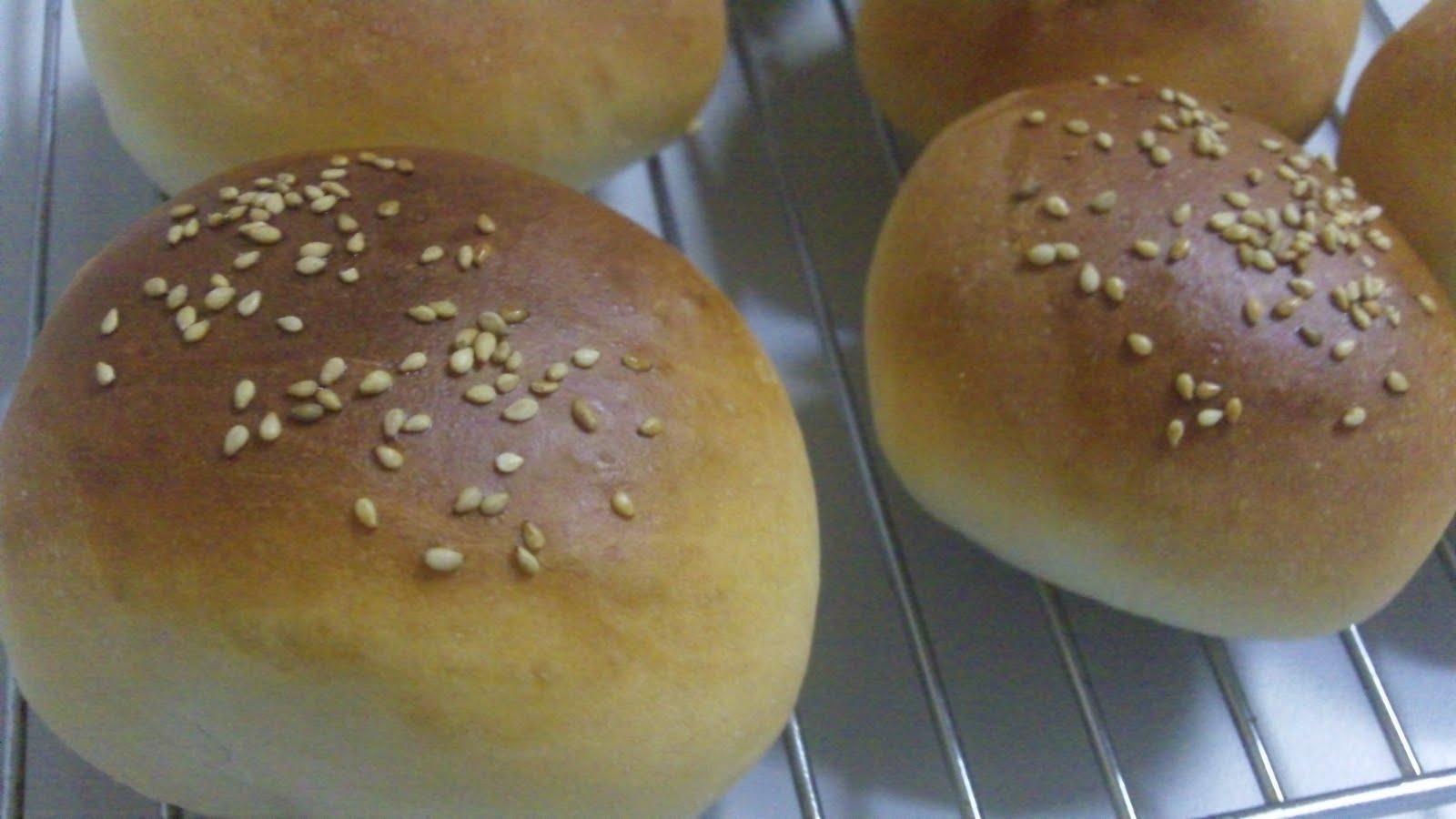
By the way, we're happy to report that John has perfected his black bean veggie burger. Yes, we can get black beans here. They're just expensive and dry so we have to soak them overnight and cook them for hours. It's based on this recipe but he tweaks it by adding carrots, broccoli and olive oil. For my part, I made homemade burger buns the other week and was pretty pleased with how they turned out.


Thursday, April 7, 2011

Tenugui - Japanese towels

At school we wear thin cotton towels on our heads during "cleaning time". This is the one I've been using. It was left for me by my predecessor. Apparently it's the traditional Japanese design.

This is the one John wears -also left by his predecessor.


I noticed that my teachers carry around a small towel to dry their hands since our bathrooms have no paper towels or hand driers. So, I bought this one at Daiso last year for hand drying. By the way, that sounds like a really cool environmentally conscious practice and it is, but it's also pretty annoying to carry around a slightly damp towel in your pocket/purse/desk drawer all the time.

We bought this one to commemorate the Onbashira festival last Spring. It's more of a terry cloth towel texture. We've been hanging it on our wall.


Everyone brings a cloth placemat to eat their lunch on. Ours look like this.


I use this furoshiki for my lunch - as a napkin or to wrap fruit in.


Back to traditional tenugui: When teachers leave at the end of the year, they give a small present to all the remaining teachers. I know the tenugui is a really common gift in Japan, but I also got the sense they thought I could use an updated cleaning time look because I received four. (I also received a set of chopsticks, lots of French pastries, other sweets and a calendar. Oh and our neighbor dropped off a mystery food offering.)

I've started using this one for cleaning time.

This one is too pretty to use at all. Gorgeous, right?

This one's not really my jam. It has bunnies.

This doily type one is a small square meant for drying hands only. It's from the building engineer/maintenance man guy. He retired. I'm going to miss that guy. We planted leeks together last year and he was always trimming the weeds by our house. Wow, this towel is fancy though!


Tenugui are a perfect example of something that a) we hadn't heard about before we came here b) are now totally necessary to our lives in Japan but c) will seem strange and superfluous when we bring them home eventually.

** Update: A couple hours after posting this our doorbell rang.
It was our new neighbor with the traditional gift you give to your neighbors if you've just moved in. Oh boy. It's more of a dish towel texture though and we can always use those. We actually had kind of a normal conversation - names, where we work, where we're from, etc. Hooray!

Sunday, April 3, 2011

Korea takes Engrish to a whole new level

Check out this North Face knock-off.


From what we hear there's also a Red Face. Wow.