Saturday, April 9, 2011

Shodo - Japanese Calligraphy

I've felt turned off by shodo until recently. It seemed so serious. Some of my students have been learning since kindergarten. Like all Japanese traditional arts there is a definite right and wrong way to do it and it takes years of practice to even get close to doing it right. This is one of those times when I realize how American I really am. It feels like the Japanese way takes all the fun out of everything. One of my friends did an ikebana class (Japanese flower arranging). She said they were given no freedom. It was the floral equivalent of paint by number and the closer to the teacher's model you got, the "better" you were doing. The Japanese way is to try to perfect the form and reproduce the masters' as closely as possible. The American way is that every individual is their own creative master and whatever you make is unique and great because it's yours. Yes, this creates people with undeservedly large egos and high self-esteem, but it also makes the creative arts a bit more accessible and fun.

What changed my mind? I read the book Lost Japan by Alex Kerr. While he is fluent in Japanese and Chinese and definitely knows the kanji characters, he also talked about doing calligraphy in a bit looser way. He says the old zen masters would stay up late drinking sake and doing calligraphy. He himself plays with the rules, using different colored inks and whatnot. I got interested in doing shodo in this more Kerouacian zen way (I'm also reading Big Sur right now). I remembered seeing calligraphy stuff at Daiso (the dollar store) so I went over and bought up everything I needed for about $10. I'm just a beginner and just playing around so I don't need fancy stuff. I did some last night and it was fun and relaxing, as it should be. It takes all the cool parts of Japanese and leaves the boring memorizing. While they seem really esoteric and complicated, kanji are basically hieroglyphics so it's fun to read about each one's meaning while trying to reproduce them with the big ol' brushes.

Plus I have such a cute place to do it.


And I get to use that kanji book that's been collecting dust...


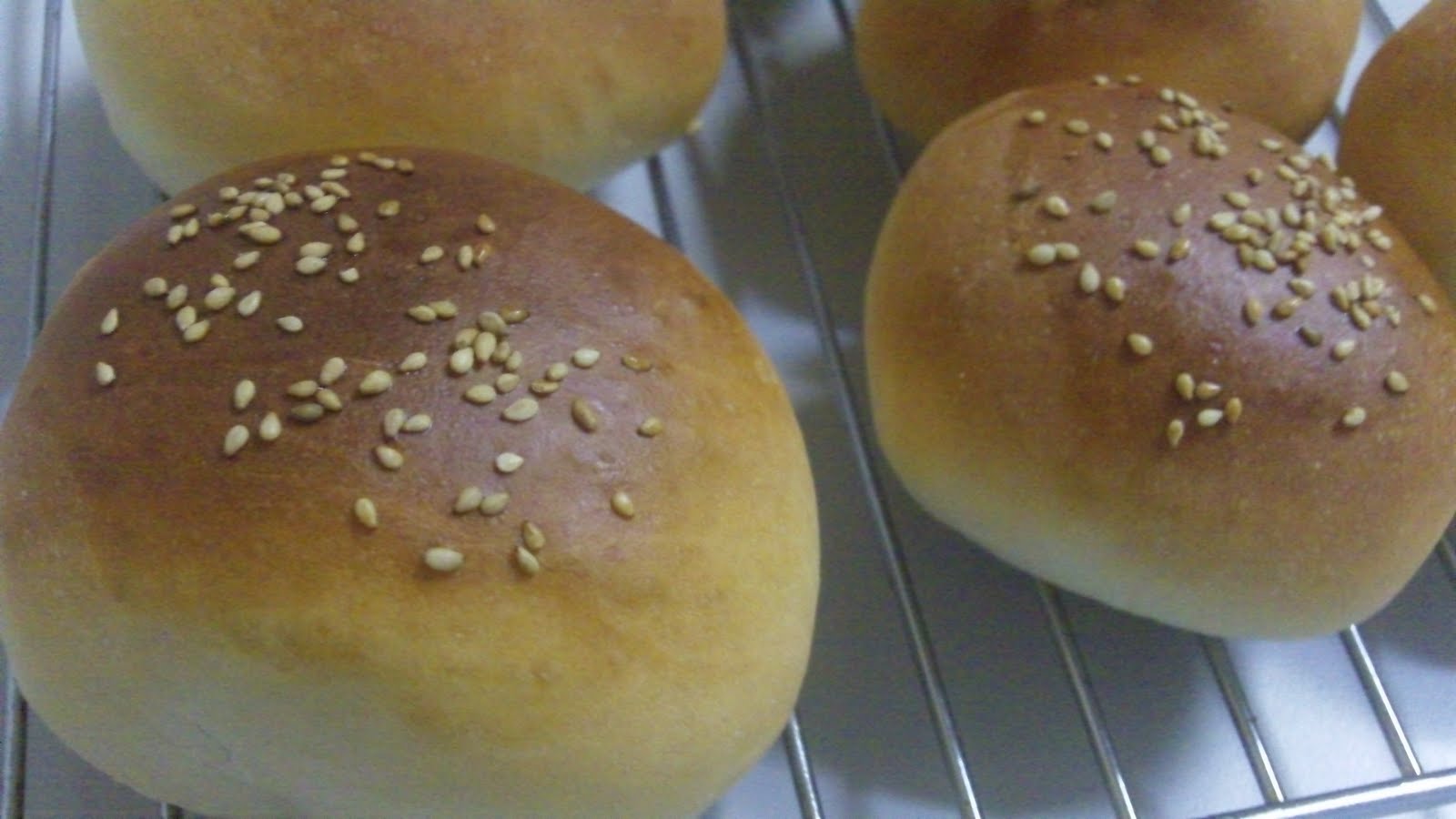
By the way, we're happy to report that John has perfected his black bean veggie burger. Yes, we can get black beans here. They're just expensive and dry so we have to soak them overnight and cook them for hours. It's based on this recipe but he tweaks it by adding carrots, broccoli and olive oil. For my part, I made homemade burger buns the other week and was pretty pleased with how they turned out.

Thursday, April 7, 2011

Tenugui - Japanese towels

At school we wear thin cotton towels on our heads during "cleaning time". This is the one I've been using. It was left for me by my predecessor. Apparently it's the traditional Japanese design.

This is the one John wears -also left by his predecessor.


I noticed that my teachers carry around a small towel to dry their hands since our bathrooms have no paper towels or hand driers. So, I bought this one at Daiso last year for hand drying. By the way, that sounds like a really cool environmentally conscious practice and it is, but it's also pretty annoying to carry around a slightly damp towel in your pocket/purse/desk drawer all the time.

We bought this one to commemorate the Onbashira festival last Spring. It's more of a terry cloth towel texture. We've been hanging it on our wall.


Everyone brings a cloth placemat to eat their lunch on. Ours look like this.


I use this furoshiki for my lunch - as a napkin or to wrap fruit in.


Back to traditional tenugui: When teachers leave at the end of the year, they give a small present to all the remaining teachers. I know the tenugui is a really common gift in Japan, but I also got the sense they thought I could use an updated cleaning time look because I received four. (I also received a set of chopsticks, lots of French pastries, other sweets and a calendar. Oh and our neighbor dropped off a mystery food offering.)

I've started using this one for cleaning time.

This one is too pretty to use at all. Gorgeous, right?

This one's not really my jam. It has bunnies.

This doily type one is a small square meant for drying hands only. It's from the building engineer/maintenance man guy. He retired. I'm going to miss that guy. We planted leeks together last year and he was always trimming the weeds by our house. Wow, this towel is fancy though!


Tenugui are a perfect example of something that a) we hadn't heard about before we came here b) are now totally necessary to our lives in Japan but c) will seem strange and superfluous when we bring them home eventually.

** Update: A couple hours after posting this our doorbell rang.
It was our new neighbor with the traditional gift you give to your neighbors if you've just moved in. Oh boy. It's more of a dish towel texture though and we can always use those. We actually had kind of a normal conversation - names, where we work, where we're from, etc. Hooray!

Sunday, April 3, 2011

Korea takes Engrish to a whole new level

Check out this North Face knock-off.


From what we hear there's also a Red Face. Wow.

Friday, April 1, 2011

4 Fun things we did in Busan

1) Korean bath/spa. We love the onsens (hot springs) of Japan. I've experienced public bathing in Morocco, Turkey, Hungary and now Japan. I have to say that the Korean experience is the best of all these. You wash yourself, dip in the hot pools (some with different herbs, etc.) and then there are the jjimjilbang (saunas). I consistently said this word wrong while in Korea. They have saunas that are hot, cold and themed. The best part is that after the hot pools you change into little shirt/short combos and meet up your friends of the opposite gender. That's right - you can canoodle with your honey in the jjimjilbangs. We liked the spas so much we went to two - Hurshimchung and Spa Land.

2) DVD bangs. You rent a dvd and watch it in a little room with a big screen and large couch/bed. No doubt canoodling happens here too. Koreans live with their parents into their 30s oftentimes, like a lot of the world. It was a good way for us to break up a long day of sightseeing and fun to see the shy young Korean couples sneak up there.

3) Bars. Our friend took us to a few really fun bars in Busan. By far the best one was a German bar with a Bulgarian band playing K-pop, Russian and American hits. We had pizza to round out the multi-cultural experience. It was Sunday night and the place was rocking with drunk Korean hikers, especially men, dancing their hearts out. Fun times. Here's the band doing "Hot Stuff".


4) Hiking. We took the cable car up the mountain and then hiked up to the Seokbul-sa temple. The temple was beautiful and very worth the walk. The best part, though, was interacting with the awesome (and often drunk on soju) Korean hikers. We enjoyed watching these guys play foot volleyball or is it soccer tennis?

Interacting with outgoing, inebriated older Korean guys was one of the highlights of Korea, actually. The ladies were good fun too. Korean folks were louder, more brash and more likely to be yelling at each other or hitting each other playfully than their Japanese counterparts. Just like in Japan though, they get geared up to go hiking.

Blissful Busan

We had the best time in Busan. The #1 reason was our hostess - a pal we met in Argentina 2 years ago who let us couchsurf with her. Korean apartments (or at least our friend's) are awesome because 1) teachers don't pay for them 2) they have HEATED floors (ongol) and 3) they have raised beds - we slept off the floor!

She whisked us around Busan in cabs, trains and subways. We met her fun friends, went to a bar that was quite literally in a cave, drank bamboo wine and soju, saw the beaches, hiked to a temple, went to a jimjilbang (Korean spa) and learned all about Korea through her eyes. Thanks for everything, Annika!


Busan is one of the most topographically interesting cities we've been to. It's on the ocean and has mountains sprinkled throughout the city - best of all worlds! You can see from the map how their subway has to circumnavigate all those mountains.

Haedong Yonggungsa Temple in Busan

Buddhist temples in Korea seemed different than those in Japan. A bit more raucous maybe. People moved more quickly, brushed up against each other, spoke a little louder. We enjoyed it immensely. There was a lot of scaffolding up though, maybe because of Buddha's birthday next month?


Seoulful graffiti